Practical Guide To Flight School Selection And Managing Long Term Career Expenses
Introduction
Flying a plane takes careful planning, plenty of practice, and money. Many new students want to learn how to fly, but they feel lost at first. You need clear lessons, good practice in the air, and a smart money plan. An online platform called Best Pilots Now helps curious students find their way. The site gathers school guides, course facts, and career pathways in one place. In this simple guide, you will learn the main steps to earn your wings. You will see what pilots do each day and compare different flight schools. You will also learn about course fees, medical checks, and future flying jobs. Everything is laid out simply so you can plan your flying journey with confidence.
What Does a Pilot Do?
A pilot flies an airplane safely from one airport to another. Pilots inspect their aircraft on the ground before every trip. They check the fuel, wings, and flight instruments. During flight, they talk with air traffic controllers by radio. They also scan weather maps and watch out for storms.
Airline pilots transport passengers on daily schedules. Cargo pilots carry freight, packages, and mail across the country or around the world. Private pilots fly light airplanes for personal travel or family recreation. Other pilots fly corporate business jets, fight forest fires, or survey farm land.
Every pilot works with a team to protect passengers and crew. Good pilots make calm decisions when the weather turns bad. They double-check checklists and keep everyone on board safe. The job brings fun travel, but it requires deep focus and responsibility.
The First Steps to Fly
Beginners must follow clear rules to become a pilot. You must meet the minimum age set by your home country. Most countries let students fly solo at age sixteen. You must also pass a health test with an approved aviation doctor.
Next, you start ground lessons in a classroom or online. Ground lessons teach navigation, air rules, and weather patterns. After that, you begin flight practice in a dual-control trainer plane with an instructor. You practice takeoffs, gentle turns, and smooth landings.
You must pass a written test and an oral exam. Finally, you take a flying test with an examiner to earn your license. You can study these steps on bestpilotsnow.com. Always check your own national aviation authority for local rules, because laws change from country to country.
How to Choose the Best Flight Schools
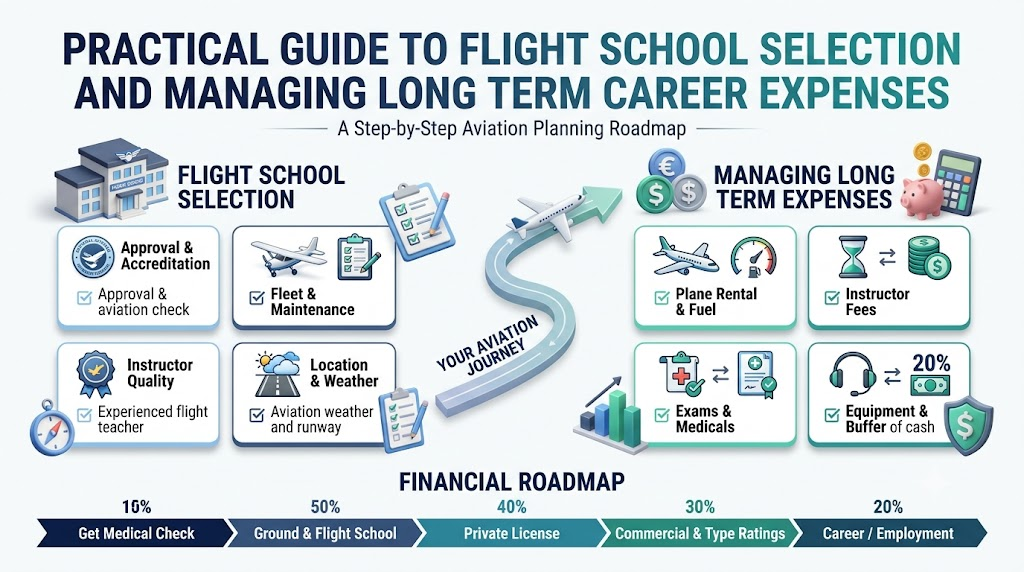
You must pick a school that fits your learning needs and budget. Look for flight academies approved by your national aviation authority. Check the size and condition of the aircraft fleet. Newer planes or well-kept older planes with modern screens make learning easier.
Ask about flight instructor experience and turnover. Good schools keep skilled teachers who give you steady one-on-one help. Look at the airport location and the local weather. Sunny areas offer more flying days, while busy airfields teach strong radio skills. You can research schools on Best Pilots Now, but you must always call and visit each campus yourself.
| School Feature | What to Look For | Why It Matters |
| School Approval | Official government license | Guarantees lessons count toward your license |
| Aircraft Fleet | Well-kept planes and simulators | Prevents lesson delays from broken planes |
| Instructors | Experienced, steady teachers | Gives you personal support and faster learning |
| Weather & Location | Many clear, sunny days | Lets you fly more days each month |
| Price Transparency | Honest, clear price lists | Prevents surprise bills during your course |
Types of Pilot Training Courses
Different flying jobs require different pilot training courses. Most people begin with private pilot license training. A private license lets you fly yourself, friends, and family in small planes, but you cannot fly for pay.
If you want a flying career, you need commercial pilot training. This advanced course lets you earn money for flying tasks like aerial survey work, charter trips, or banner towing. To fly passenger jets, you must complete airline pilot training. Many major airlines offer cadet programs that train zero-hour beginners straight into copilot seats.
Later, you take type rating courses. A type rating is a special test that qualifies you to fly a specific large jet, like an Airbus A320 or Boeing 737. Rules and hours vary by country, so always check local requirements.
Understanding Pilot Training Cost
Pilot training cost depends on several factors. Total expenses vary based on aircraft rental fees, fuel prices, and instructor rates. You pay an hourly rate for the airplane and another hourly rate for your teacher. You must also pay for ground books, pilot headsets, medical tests, and government exam fees.
Many students forget to budget for living costs and travel. Bad weather or missed exams can add extra flight hours to your bill. Look at average costs across training steps:
| Training Step | Main Expenses Included | Practical Budget Tip |
| Medical & Exam | Doctor visit, test fee | Book early to avoid test delays |
| Ground School | Books, software, classes | Study at home to save instructor hours |
| Flight Hours | Plane rental, fuel, teacher | Fly two or three times a week |
| Extra Gear | Headset, charts, kneeboard | Buy durable gear that lasts for years |
| Extra Lessons | Weather delays, extra practice | Save a cash reserve for bonus hours |
Compare school fees carefully before you pay. Never pay full course fees up front to any flight school. Instead, pay in small steps as your training moves along. Best Pilots Now offers resources to help you map your initial training budget.
Medical Checks and Flight Safety
Aviation doctors verify that pilots can fly airplanes safely. You need an official medical certificate before your first solo flight. The doctor checks your eyesight, color vision, hearing, and heart health. If you wear glasses, you can still fly as long as your vision corrects to normal levels.
Safe flying begins with good personal habits. Pilots use checklists to verify switches, flaps, and fuel valves. They avoid flying when they feel tired or unwell. They also respect weather limits and never fly into dangerous cloud banks without proper training. Check your local aviation authority website for exact medical standards.
Real-Life Scenarios and Flight Experiences
- A student prepares for their first solo circuit. They check the fuel tanks and oil levels, practice three takeoffs and landings alone, and build real confidence in the airplane.
- A commercial student flies across the state on a long cross-country trip. They track checkpoints on the ground, manage fuel burn, and divert to an alternate airport when sudden fog rolls in.
- A pilot completes a jet simulator session for an airline type rating. They practice flying with one simulated engine failure, solve problems with their crew partner, and pass their check ride smoothly.
Pilot Jobs and Finding Flight Crews
Aviation offers many different pilot jobs. New commercial pilots often become flight instructors. Instructing helps them teach new students while logging flight hours for their airline resumes. Other pilots fly cargo freight at night or operate turboprops for regional airlines.
To land a good job, you must build clean flight records and update your resume. Employers check flight hours, medical certificates, and instrument ratings carefully. Best Pilots Now is developing a pilot directory and planned job features. These tools will help companies hire a pilot based on ratings and flight hours, though direct job placement tools are still in progress.
Common Mistakes to Avoid
- Paying all training fees up front: Pay in smaller blocks so you protect your hard-earned money.
- Training only once every two weeks: Fly two or three times each week so you keep your skills fresh.
- Skipping ground study between flights: Read books at home so you do not waste costly time in the plane.
- Choosing a school based only on price: Pick schools with safe planes and great teachers, not just cheap rates.
- Ignoring medical requirements until flight day: Visit an aviation doctor first so you know you qualify.
- Forgetting to budget for extra flight hours: Add a buffer to your budget for bad weather and practice.
- Not checking school accreditation: Verify with your civil aviation agency that the school holds active approvals.
- Neglecting weather briefings before flight: Check forecasts and winds carefully so you never fly into danger.
How Best Pilots Now Can Help You
Best Pilots Now is a helpful online discovery platform for aviation students and flyers. The website helps you explore flight schools, training pathways, and pilot courses. You can compare training steps, learn about equipment expenses, and read clear aviation articles.
The platform is also developing a pilot directory and community job tools for the future. These upcoming features aim to connect working pilots with aviation employers over time. Best Pilots Now focuses on honest, clear guidance without fake claims. Visit the site today to discover schools and start your research.
Frequently Asked Questions
1. How old do I need to be to begin flying?
Most countries allow students to start flying lessons at any age. You can log dual flight time with an instructor as a young teenager. But you must reach age sixteen to fly solo. You must reach age seventeen to earn your private pilot license. Always check local age rules with your national aviation authority.
2. Can I become a pilot if I wear glasses?
Yes, you can become a pilot if you wear glasses. Your vision must be corrected to 20/20 with lenses or contacts. An aviation medical examiner will test your vision during your physical exam. You will also take a simple test for color blindness. Minor eye flaws will not stop you from flying light planes.
3. How long does it take to get a license?
Earning a private pilot license usually takes three to six months. Full-time students who fly several times each week finish fastest. Part-time students who train on weekends often take up to a year. Bad weather, plane maintenance, and personal schedules can stretch your training timeline. Consistency helps you finish faster.
4. What is ground school?
Ground school is classroom or online study for flight students. It teaches you the theory behind flying an airplane safely. You learn about air rules, weather systems, navigation, and airplane engines. Ground school prepares you to pass the written test required by your civil aviation authority. You can study online or in class.
5. Can I fly for an airline with a private license?
No, you cannot fly for an airline with a private license. A private pilot license only allows you to fly for fun or travel. You cannot receive money for your flying services. To fly for an airline, you must earn a commercial license and an airline transport license with many flight hours.
6. What is a type rating?
A type rating is an advanced certification for a specific large aircraft. Small trainer planes do not require a type rating. But passenger jets like the Boeing 737 require specialized simulator training. Pilots spend weeks in ground school and full-motion flight simulators to learn complex systems and emergency procedures.
7. What happens if the engine stops in the air?
Airplanes do not fall from the sky if an engine stops. An airplane without engine power glides forward like a glider. Flight instructors teach you how to pick a safe landing field immediately. You practice gliding maneuvers and simulated emergency landings often during your training so you stay calm.
8. Why are flight training costs so high?
Flight training costs are high because airplanes are expensive to run. Schools must pay for aviation fuel, regular maintenance, and hangar space. They also pay insurance and instructor fees. Flight simulators and modern cockpit screens add to school expenses, which affects the final price per hour.
9. How many flight hours do I need for an airline?
Hour rules depend on the country where you work. In the United States, airline first officers usually need 1,500 total flight hours. In Europe and other regions, cadet pilots can join airlines with around 200 hours through structured programs. Always check your region’s hiring rules.
10. What is the hardest part of flight training?
Many students find landing the hardest part of early flight training. Judging height, descent speed, and crosswinds takes practice and hand-eye coordination. Other students struggle with ground school topics like weather maps and navigation math. Steady study and practice help you master every skill.
11. Does Best Pilots Now offer direct flight lessons?
No, Best Pilots Now does not run flight lessons or provide flight training. It is an online discovery platform that helps you research aviation options. It offers guides, school discovery tools, and course information. You use it to compare schools and find training paths that suit your goals.
12. Are jobs guaranteed after I finish flight school?
No flight school can honestly guarantee you an airline job. Hiring depends on airline demand, economic conditions, your flight hours, and interview performance. Some academies have airline partnership programs that help top students get interviews. You must build your skills, log flight hours, and network to earn your seat.
Conclusion
Becoming a pilot is an exciting path that opens up the skies. You need careful research, steady practice, and a sensible budget to succeed. Compare different flight schools and course fees before you make any payment. Remember to verify government rules and medical standards with your local civil aviation authority. A clear plan keeps your dream on track from your first lesson to your final check ride. Use Best Pilots Now as a starting point to explore schools, courses, and aviation careers. Head over to the Best Pilots Now website today to begin your research and discover your best path forward.
Leave a Reply